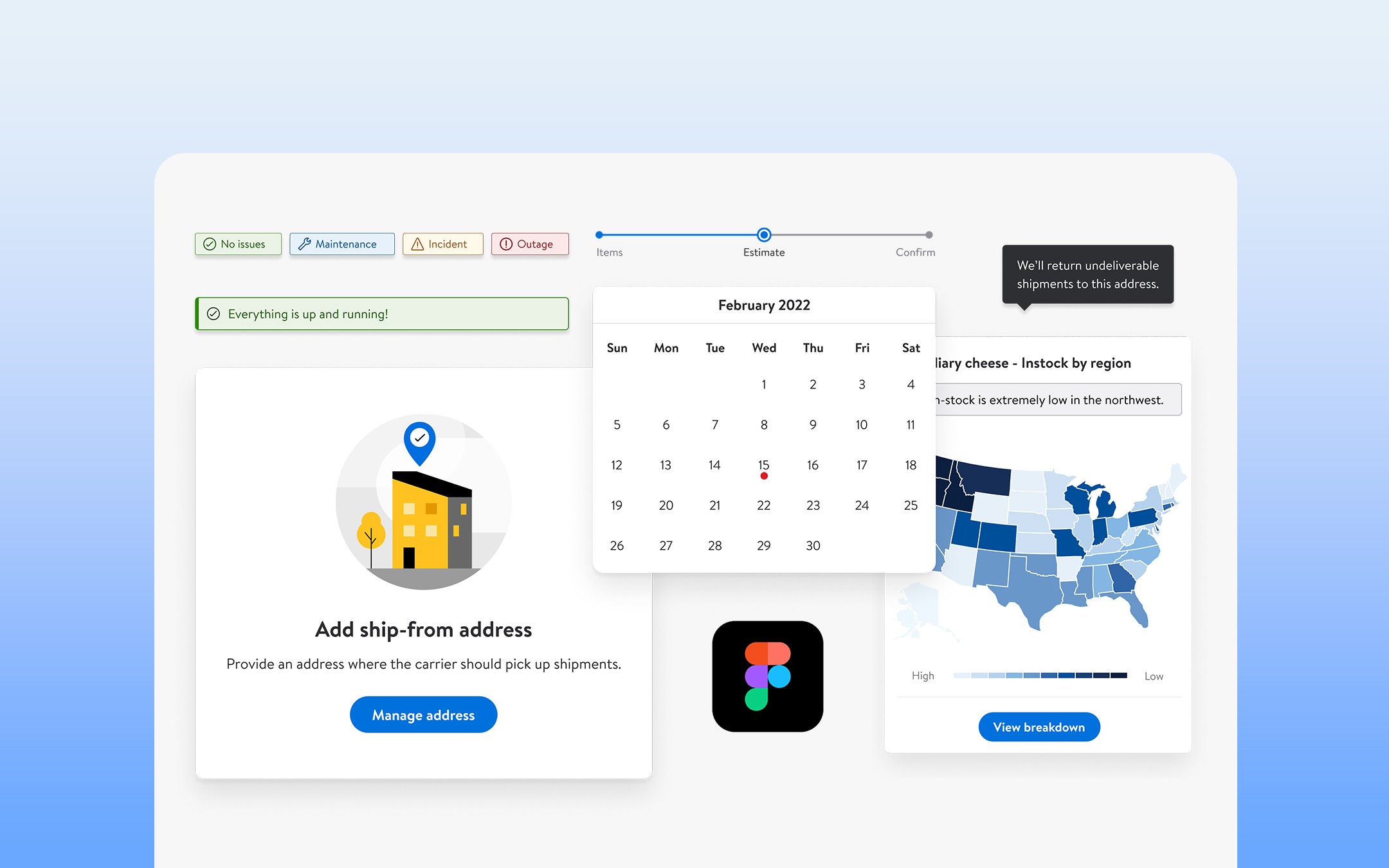
Overview
Built and scaled Walmart's Merchandising and Marketplace design systems from the ground up, leading cross-functional teams to drive org-wide adoption across 6 plus teams and multiple enterprise platforms.
Project Snapshot
Role:
Principal Product Designer and Design Systems Lead
Team:
Product Management, Engineering, Design Systems, Domain Product Teams (Pricing, Inventory, Assortment, Space, Financials, etc.), Research,Third-Party Contractors
Platform Type:
Enterprise SaaS / Internal Merchandising Platform / Internal Marketplace Platform
Users:
Merchants, Buyers, Planners, Analysts, Category Managers, Sellers (Third-Party Brands & Retailers, International Sellers, Omnichannel & Enterprise Sellers, Fulfillment Services Sellers
Opportunity
What started as a response to fragmented tools and inconsistent design standards grew into a system that touched every part of the organization. Design-to-handoff time dropped, redundant work was eliminated, and teams that once operated in silos were now working from a shared foundation. The numbers tell part of the story, but the bigger shift was cultural. Design systems became a shared responsibility across Merch, not just a deliverable owned by one team.
Contraints
Constraints
This work spanned several years across three distinct phases, each tied to a major organizational shift at Walmart. Time was always the biggest constraint. Because the libraries needed to keep pace with live product deadlines, we rarely had room for extended testing cycles. Instead, we leaned on internal feedback loops, community input, and iterative releases to keep things moving without compromising quality.
Solution
The Walmart Enterprise Design System wasn't a single project with a clear beginning and end. It evolved over several years alongside major organizational changes, growing from a component library built for one product area into a system adopted across multiple teams and domains. Each phase introduced new challenges, but the underlying goal remained the same: create a shared foundation that helps teams work more efficiently and deliver more consistent experiences.
Started from Zero
As a lead product designer on Flight Deck, I was working inside the product before building anything, collaborating with designers across features to fully understand the tool's scope and user flows. That hands-on perspective informed every component decision and helped shape a library grounded in how the product was actually used.
Scaled through partnership
As the work expanded to cover all Merch tools, I partnered with Walmart's Living Design System team and designers across Merch to audit what existed and identify what needed to be built for enterprise workflows. Design System Office Hours ran multiple times a week, giving designers, engineers, and PMs a regular space to flag issues and validate components against real product needs. As adoption grew, the challenge shifted from creating components to creating alignment. I established daily design syncs, led the migration from Sketch to Figma, and directed an embedded Accenture team through audits and workflow reviews. Balancing flexibility with consistency became the defining challenge as the organization continued to scale.
Phase 1: From Zero
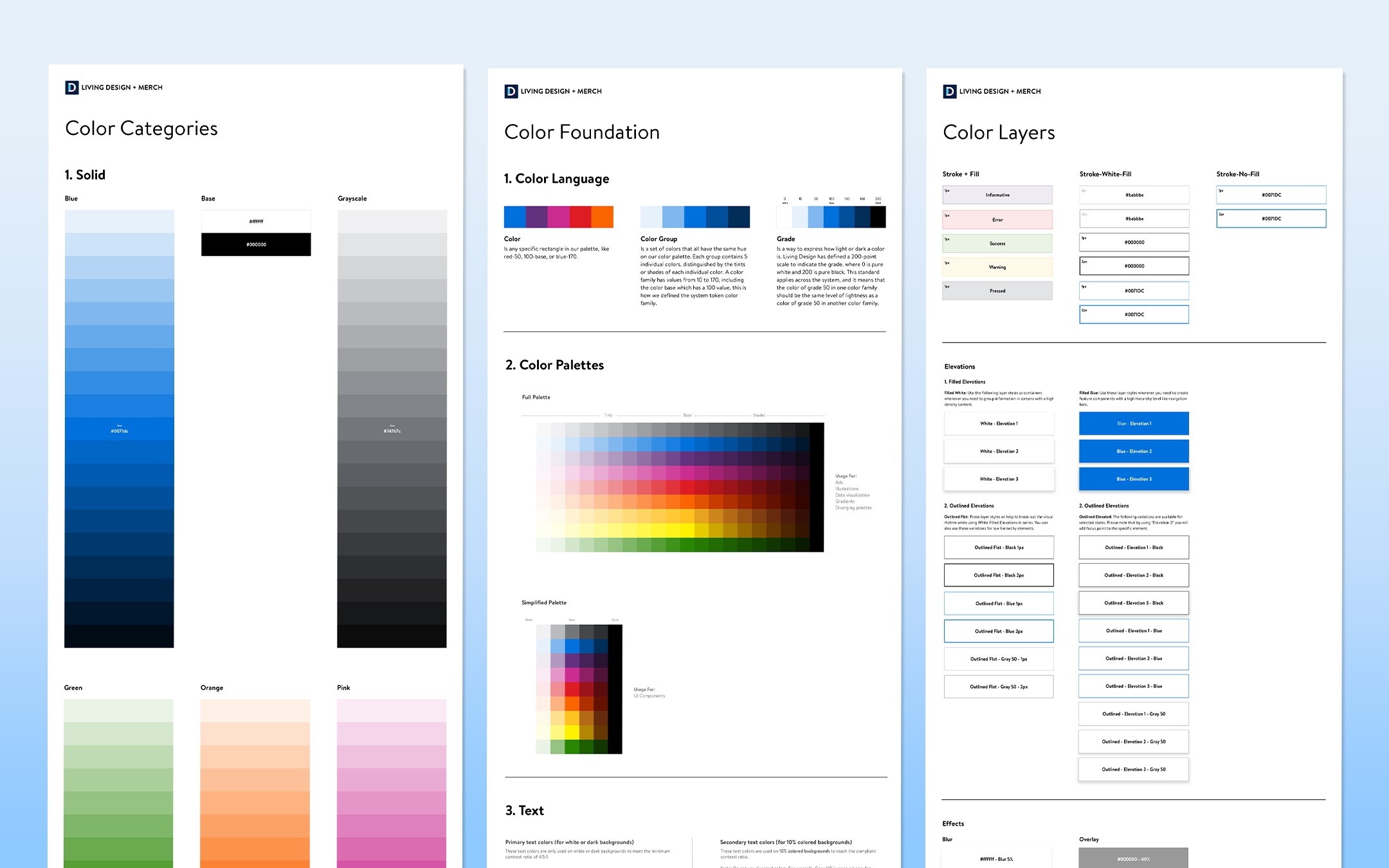
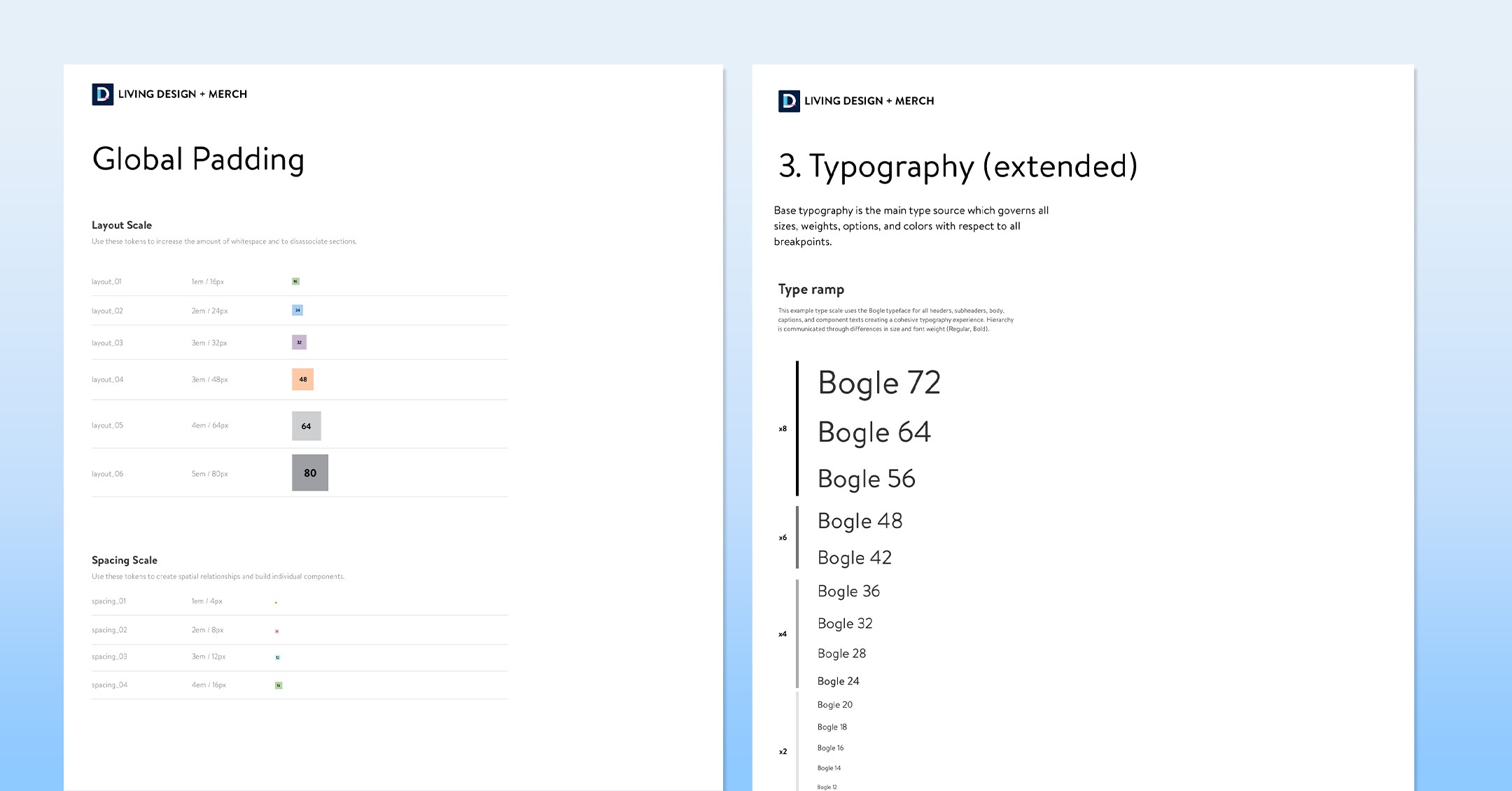
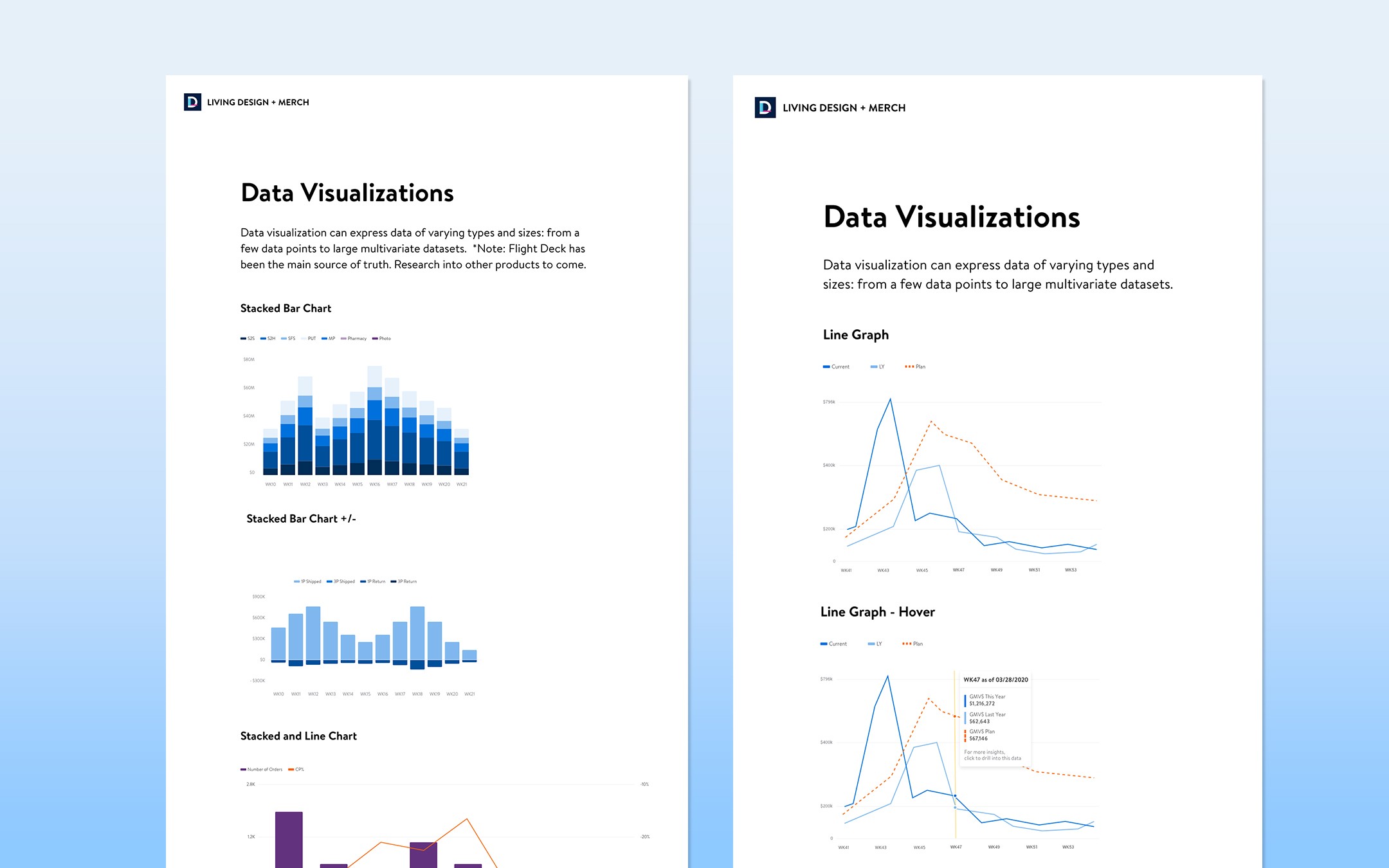
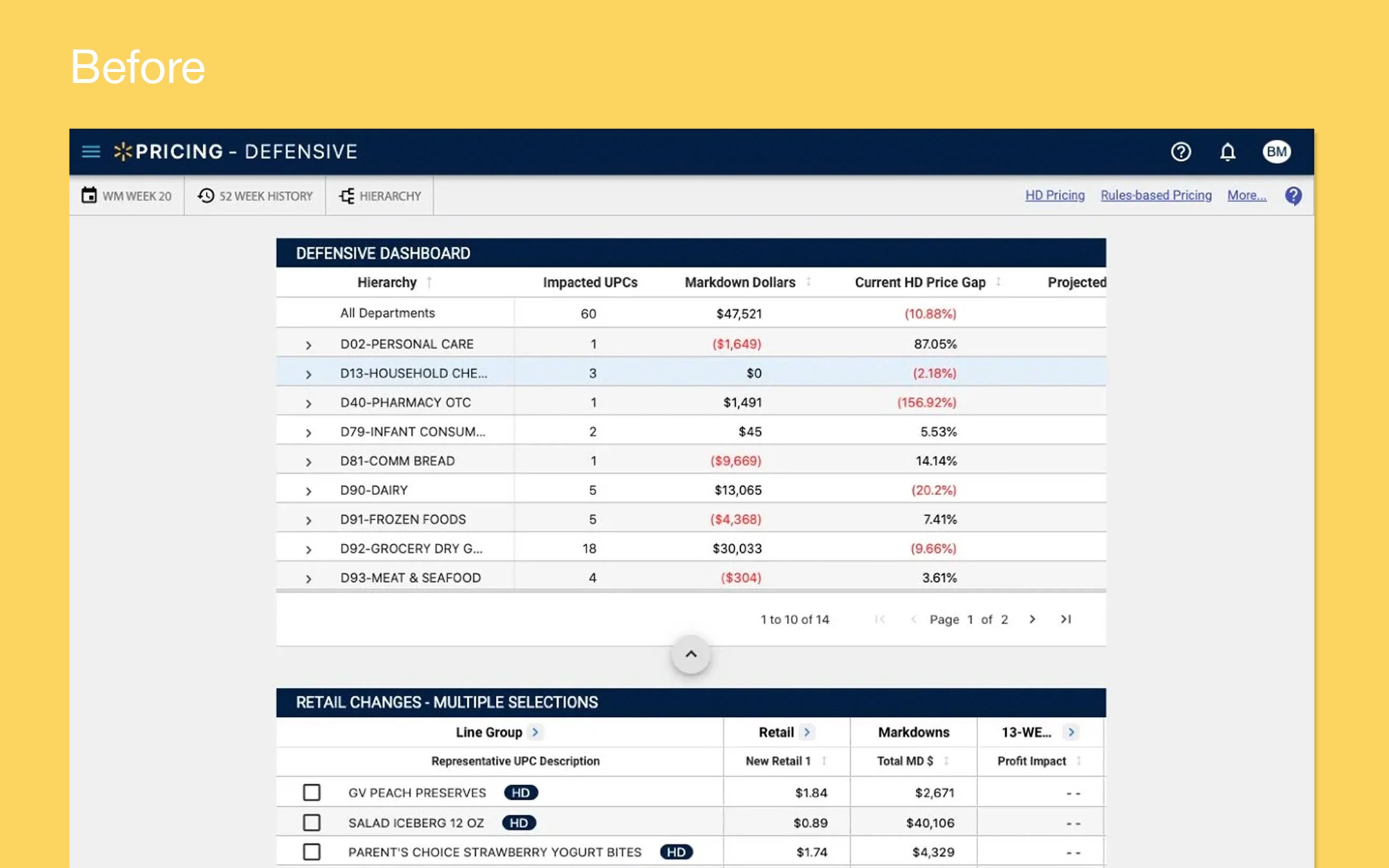
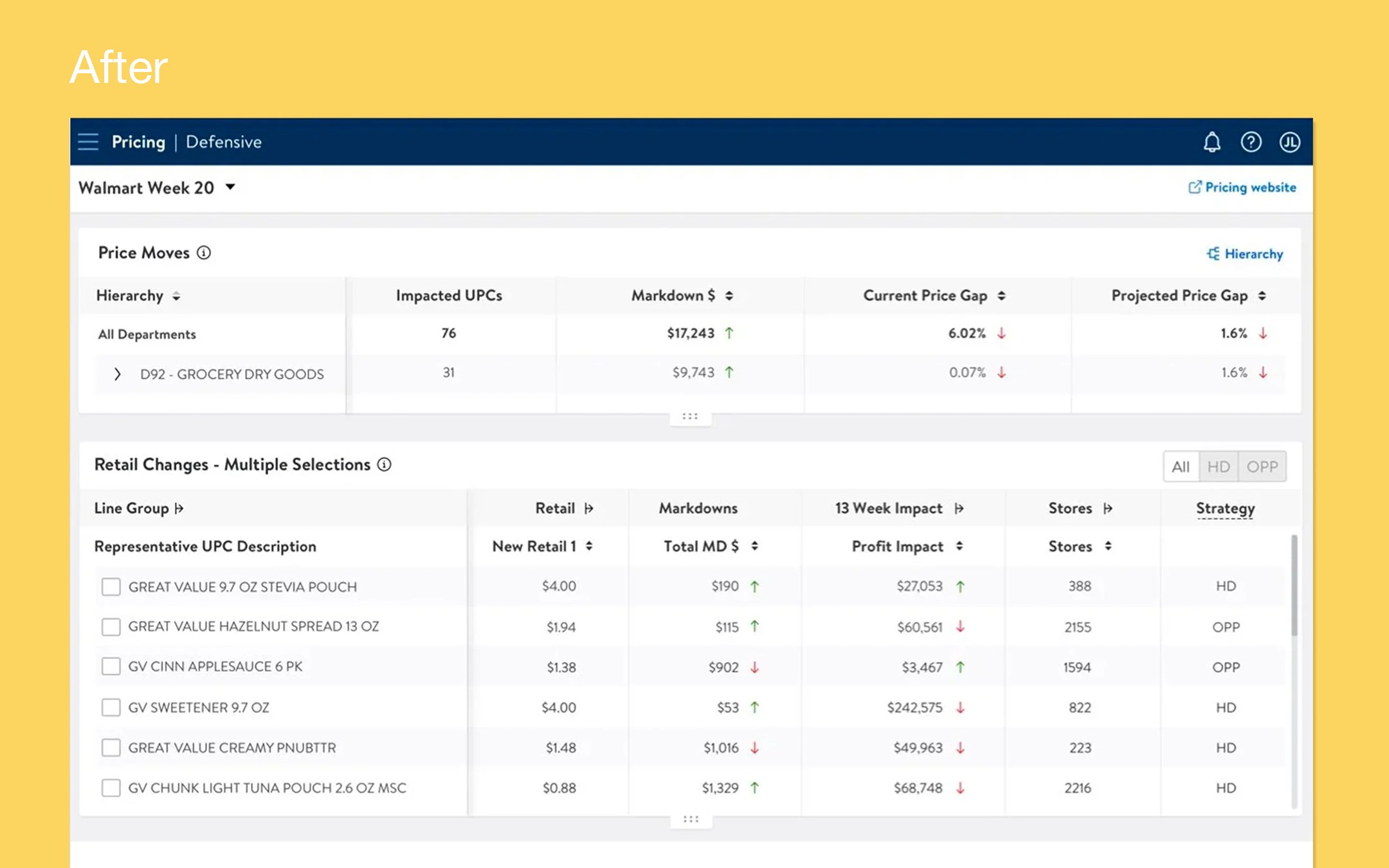
Flight Deck had no component library and no shared design language. I built Walmart's first Merchandising design system from scratch in Sketch, establishing a source of truth that improved consistency and accelerated workflows across the team. The success of that work established my role as Design Systems Lead and set the direction for everything that followed.

Phase 2: Scaling across teams
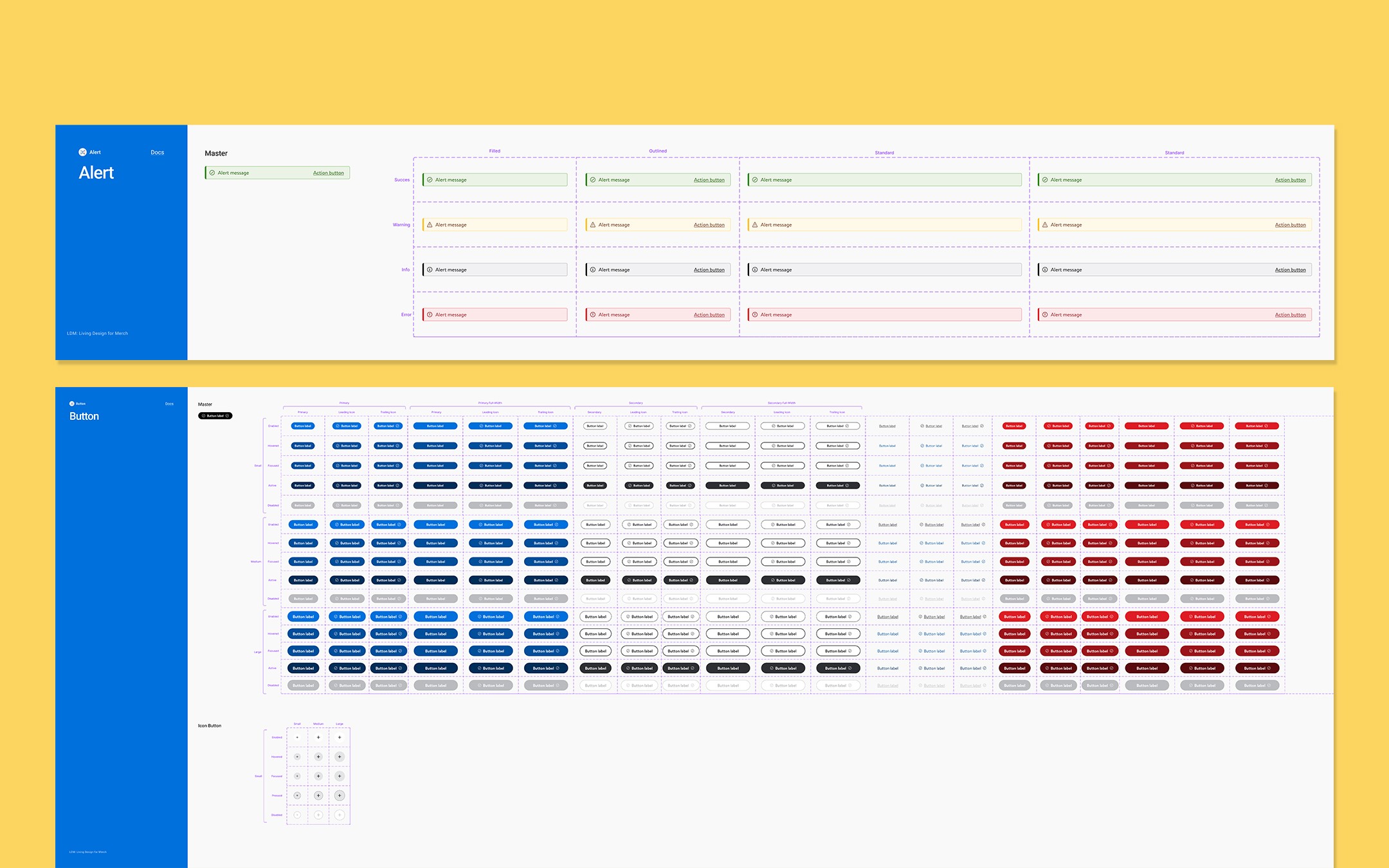
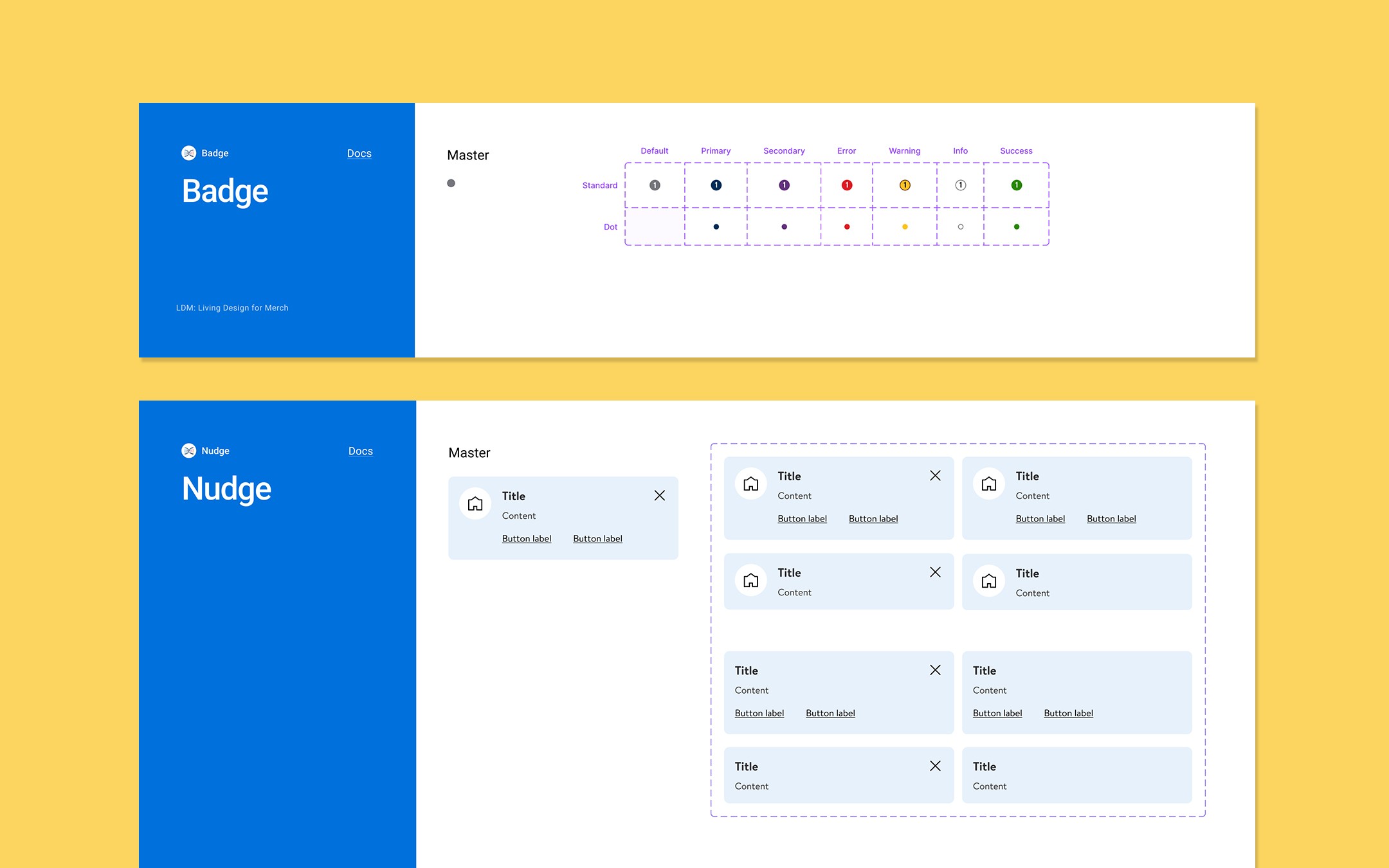
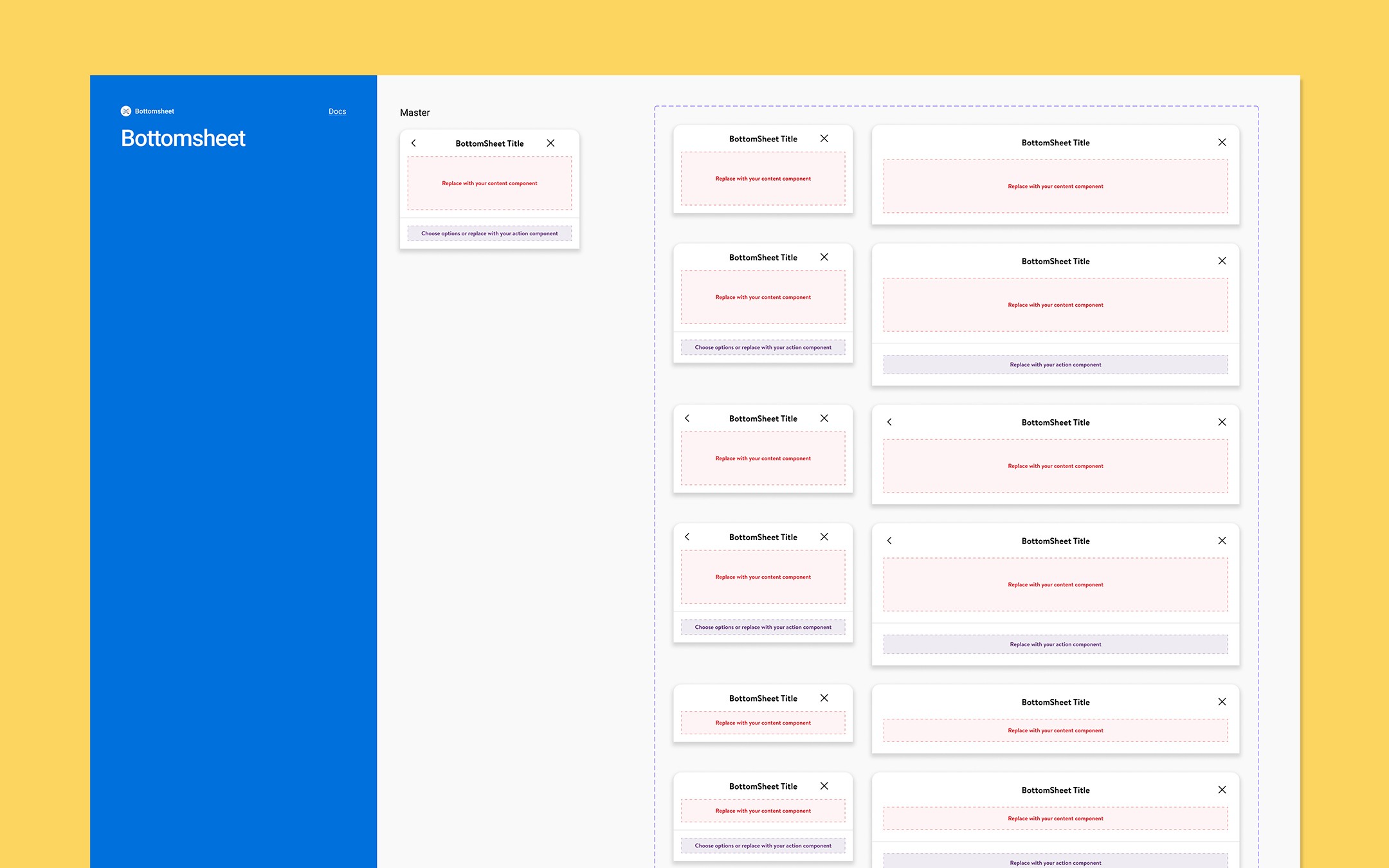
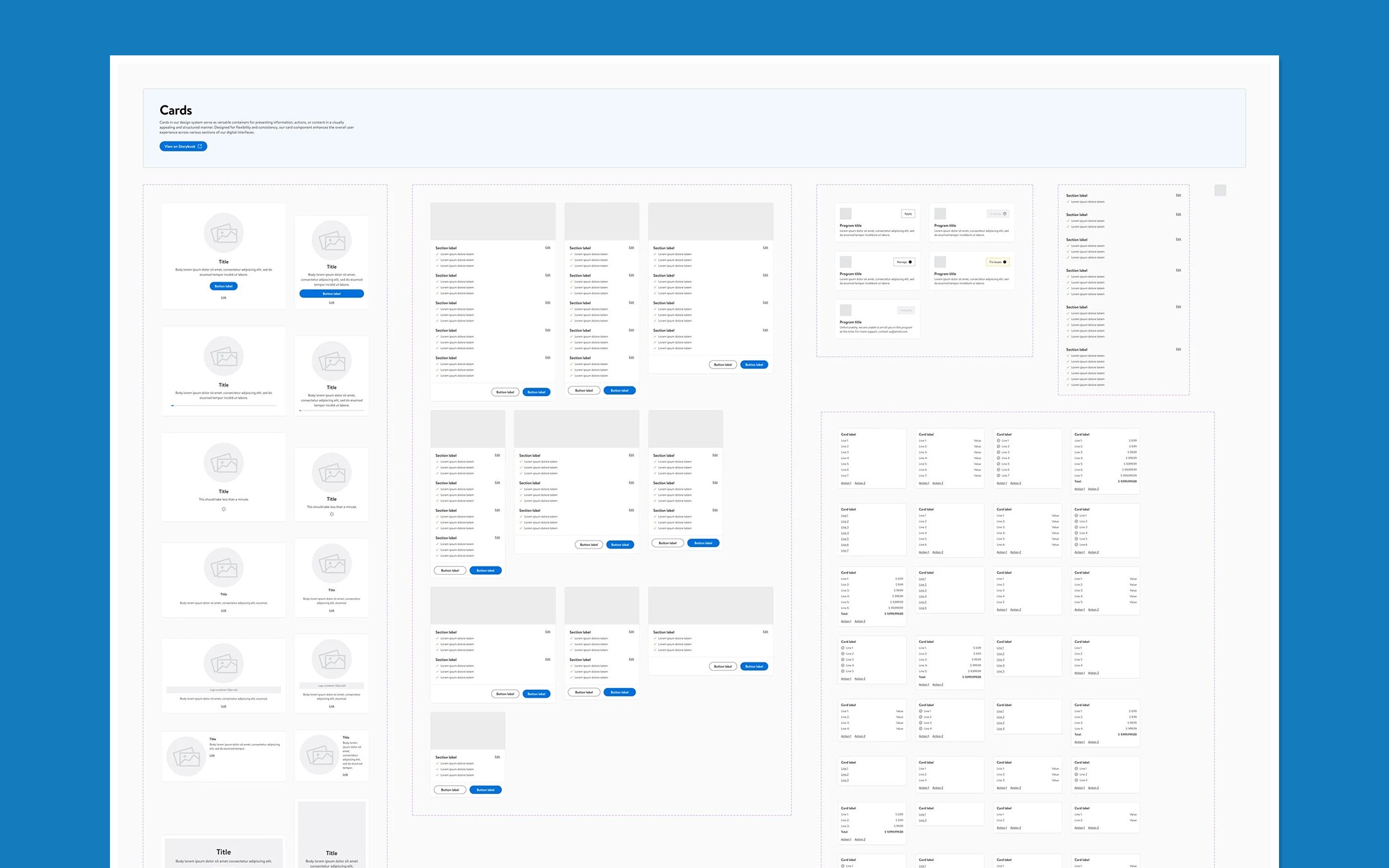
With a foundation in place, the focus shifted to expansion. Merch One, an initiative to consolidate multiple Merchandising tools into a single unified platform, required the system to grow quickly while staying coherent. I directed an embedded Accenture team to scale component production and worked across fragmented Merch libraries to bring everything under one standard. Governance became critical at this stage, keeping the system healthy as more teams came on board.
Complex Component
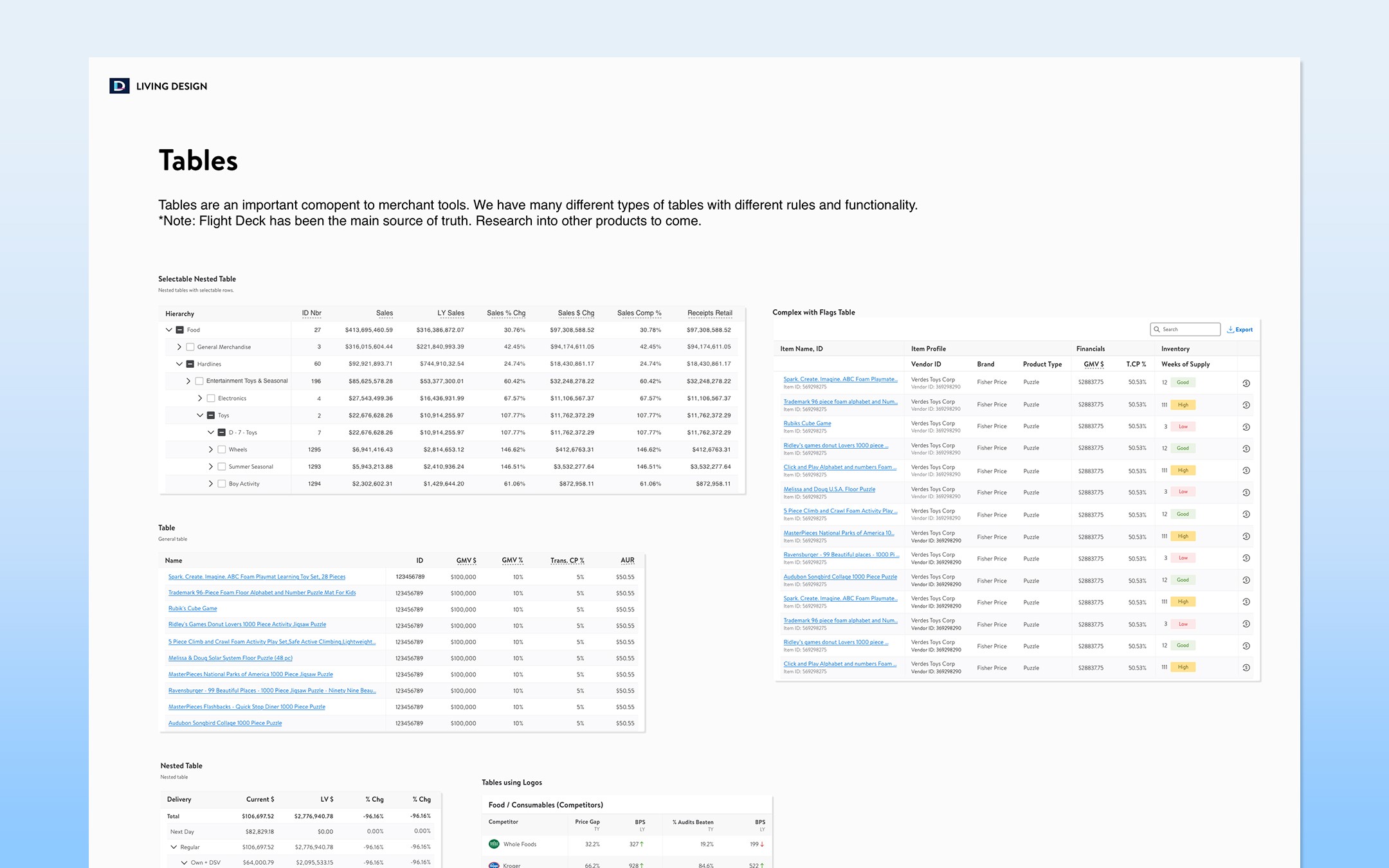
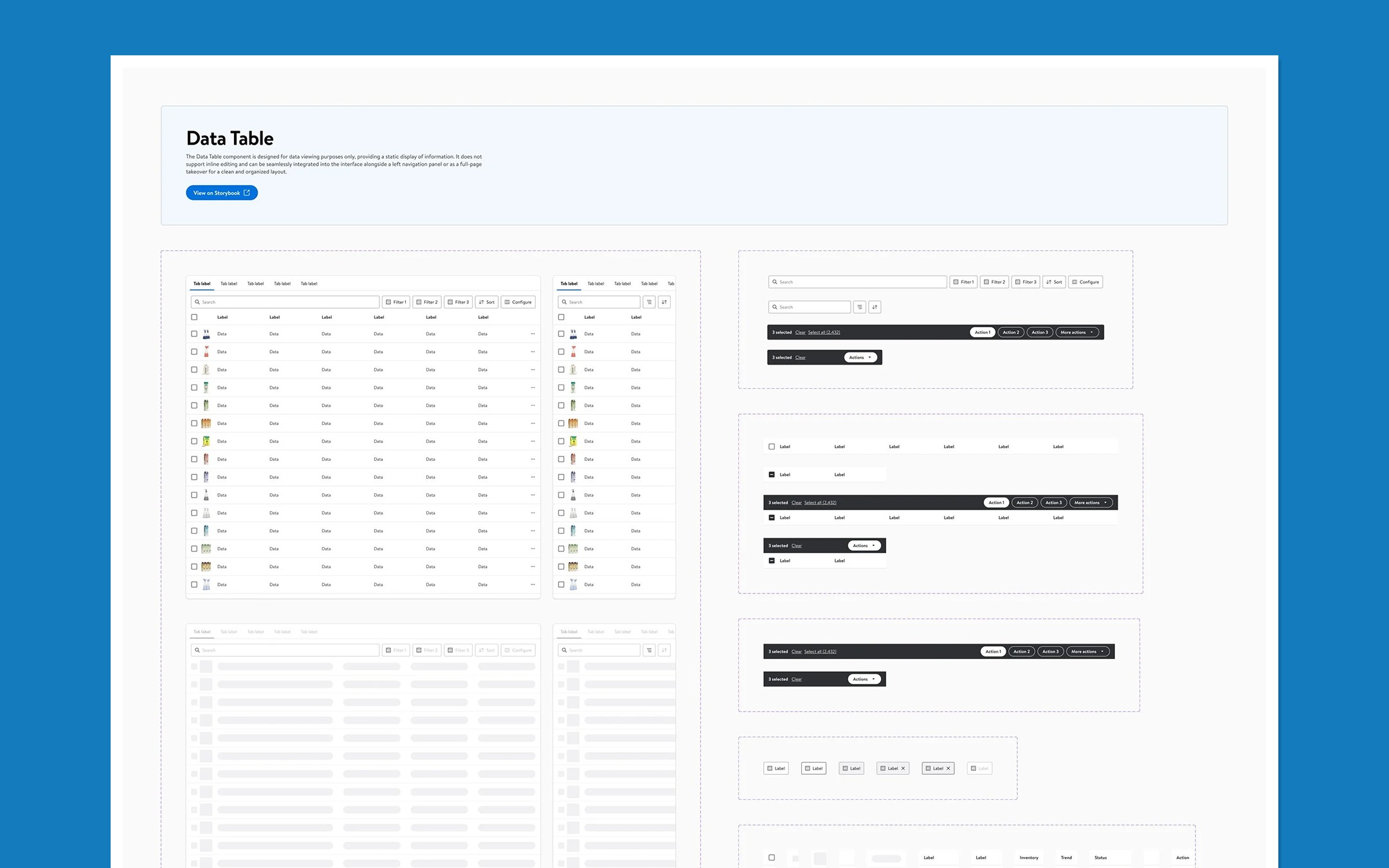
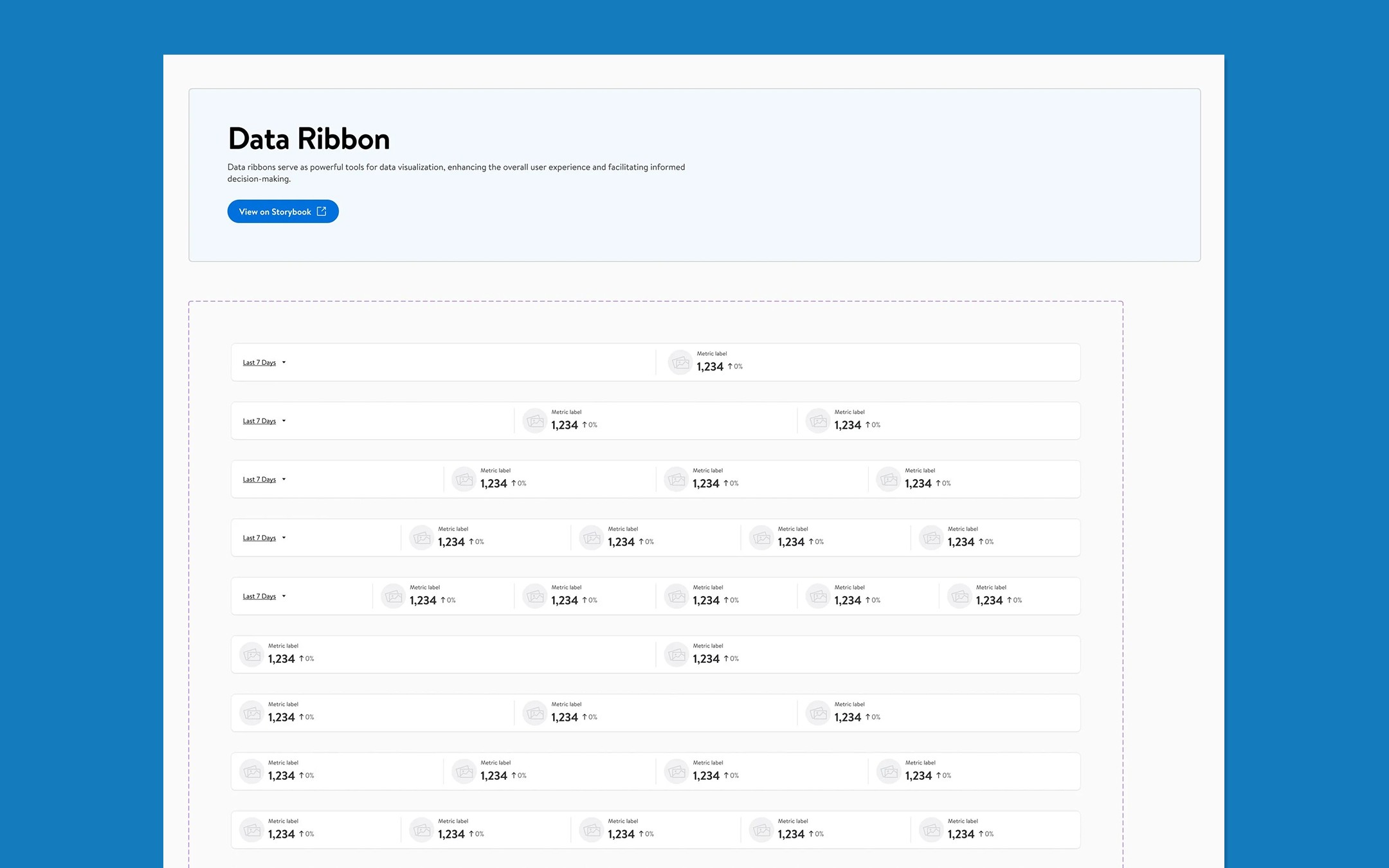
Some components came together quickly. Others required much more negotiation. Tables were the most challenging to standardize, with teams bringing significantly different structural needs, interaction patterns, and responsive requirements to the table. It took multiple rounds of iteration and close collaboration with designers, engineers, and PMs to land on a solution that could flex across contexts without fragmenting the system.
Outcome
Adoption & Scale
Adopted by 6+ teams across the Merch org
Supported 12 designers spanning multiple pillars
Scaled to 60+ components
Covered 8+ product surfaces
Efficiency & Speed
Reduced design-to-handoff time by 30%
Avoided 20+ redundant/niche component additions
Led 100% org-wide migration from Sketch to Figma
Governance & Process
Established bi-weekly cross-pillar design systems office hours for all pillar leads
Reviewed 15+ component requests per quarter
Governed 6 Merchandising pillars under one design systems model
Org impact
Built Flight Deck from scratch post Jet.com acquisition, it was adopted as org standard within 18months
Partnered with Walmart's Living Design System team to align merchant-facing and customer-facing libraries across the full product ecosystem